
I Background - Cathay Hackathon 2023#
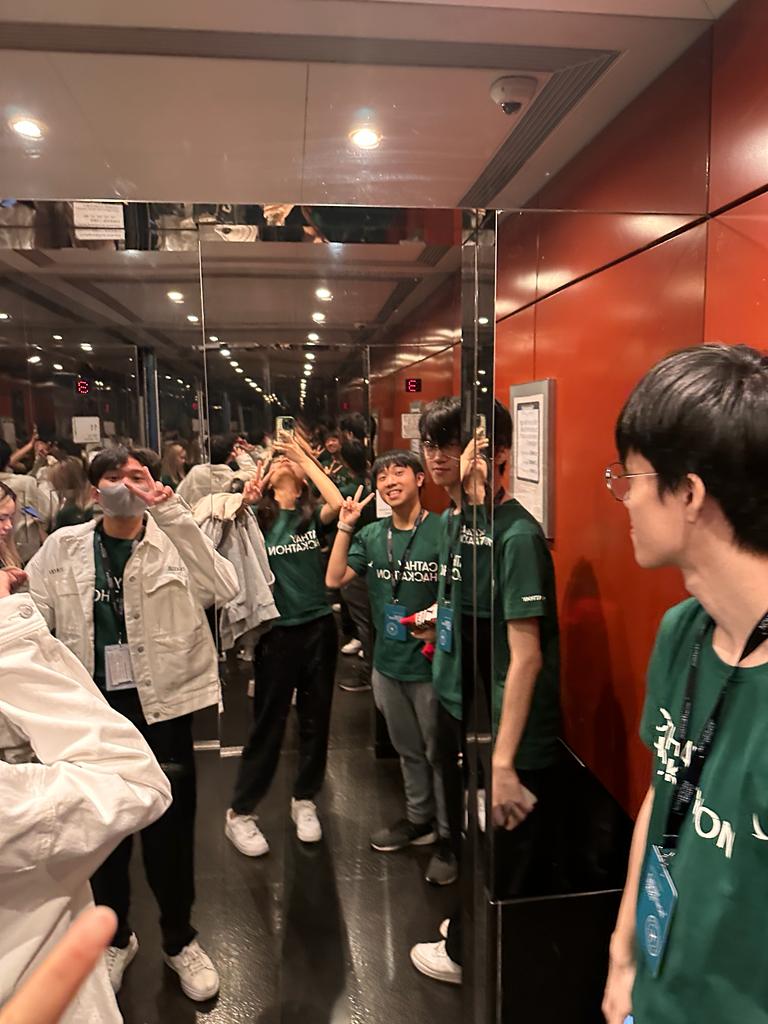
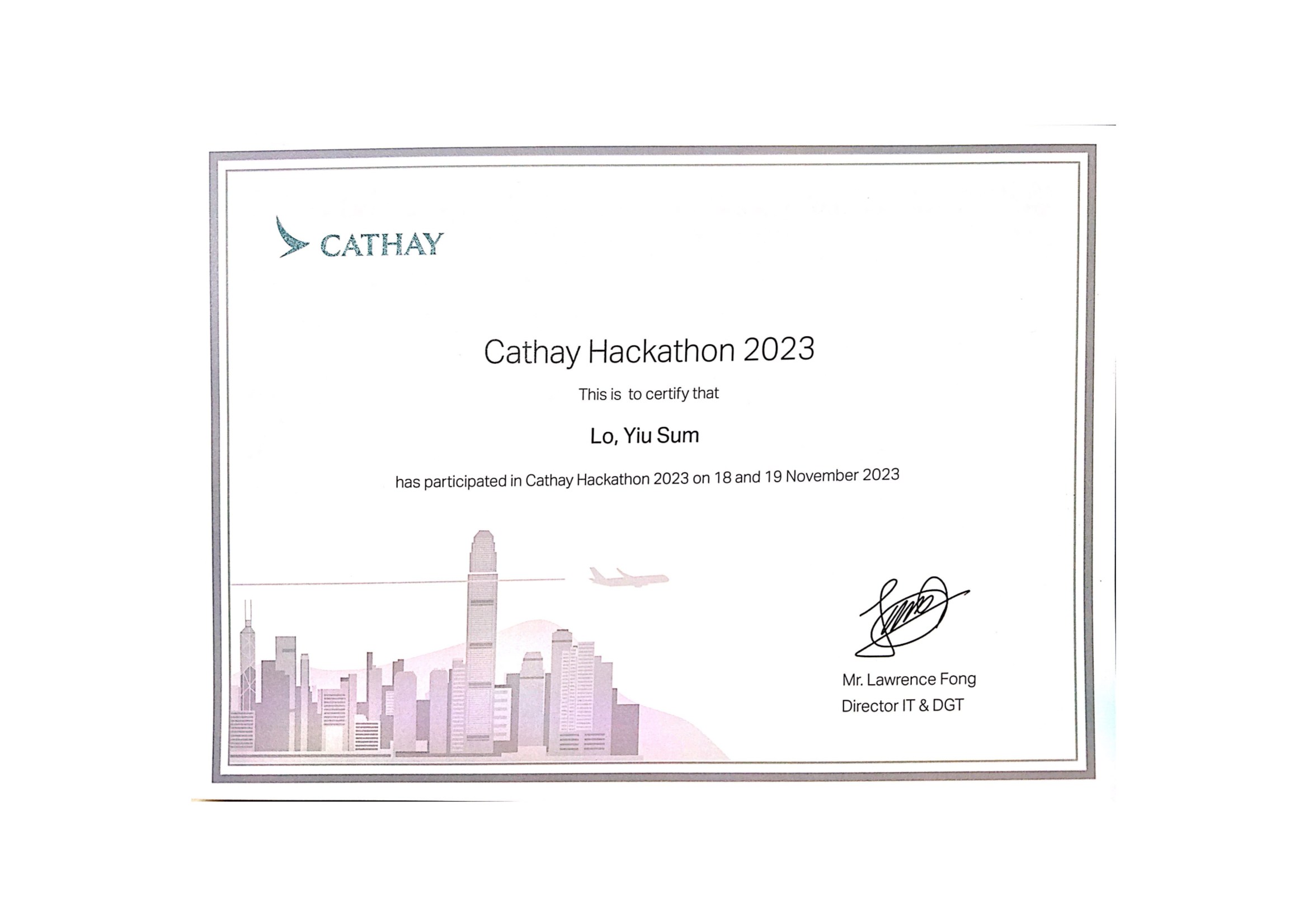
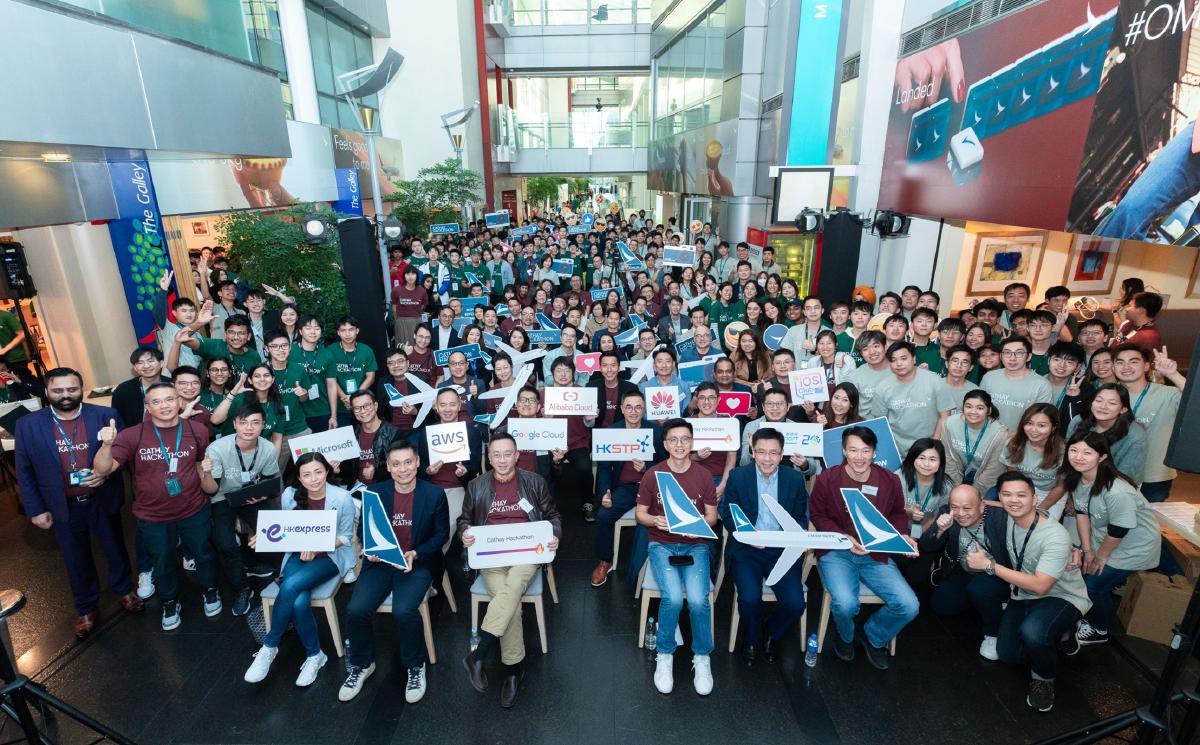
Cathay Hackathon 2023 brought 280 student innovators together for an intense 24‑hour build-and-pitch sprint at Cathay City, the airline’s headquarters by Hong Kong International Airport. Supported by mentors and partners like AWS, Google Cloud, Microsoft, and HKIA, teams tackled real travel, lifestyle, and cargo challenges before pitching to industry leaders for prizes and fast‑track career opportunities.
II Our journey#
From brainstorming in a packed workshop to pitching under bright lights, this hackathon became a crash course in shaping a clear business model and a workable solution—bringing a prototype to life and crafting a compelling story to win over a management panel.
III Spark to solution#
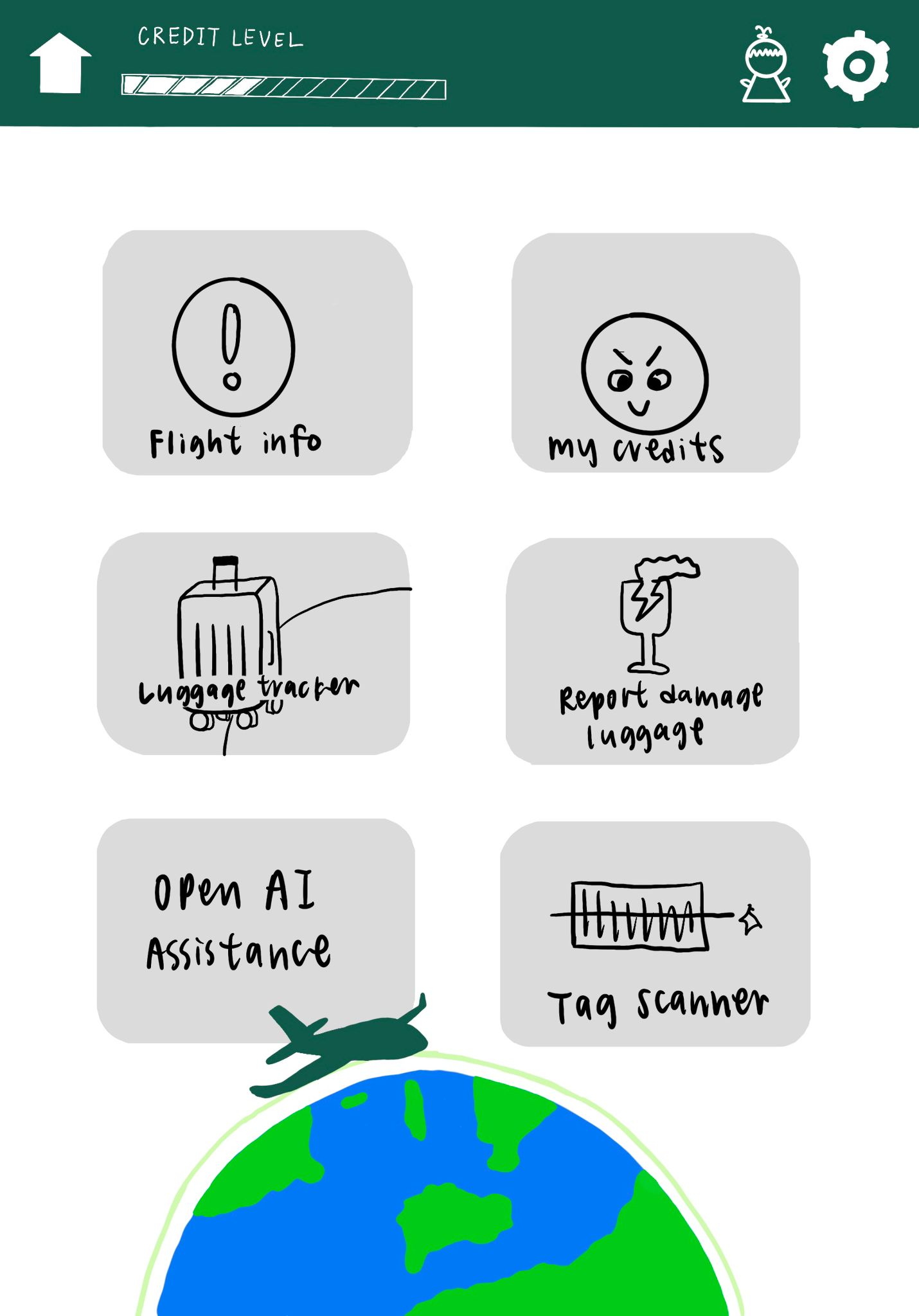
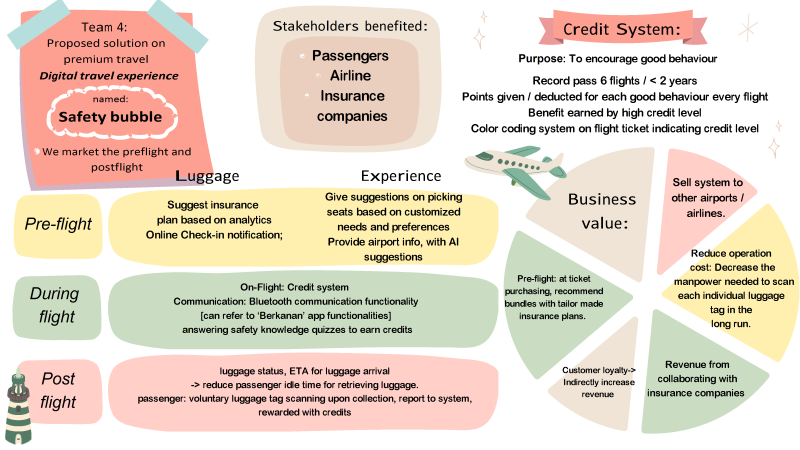
The challenge asked for an AI-driven way to elevate Cathay’s customer experience, and our team gravitated to a simple truth: travelers want to feel safer and more in control end to end. That insight shaped Safety Bubble, a premium pre‑flight, in‑flight, and post‑flight companion that blends tailored insurance, a behavior‑driven credit system, and real‑time travel utilities into one journey layer.
IV Framing the problems#
We mapped five pain points:
- Complex insurance choices
- On‑time performance pressures
- Uneven in‑flight behavior and safety awareness
- Lost luggage anxiety
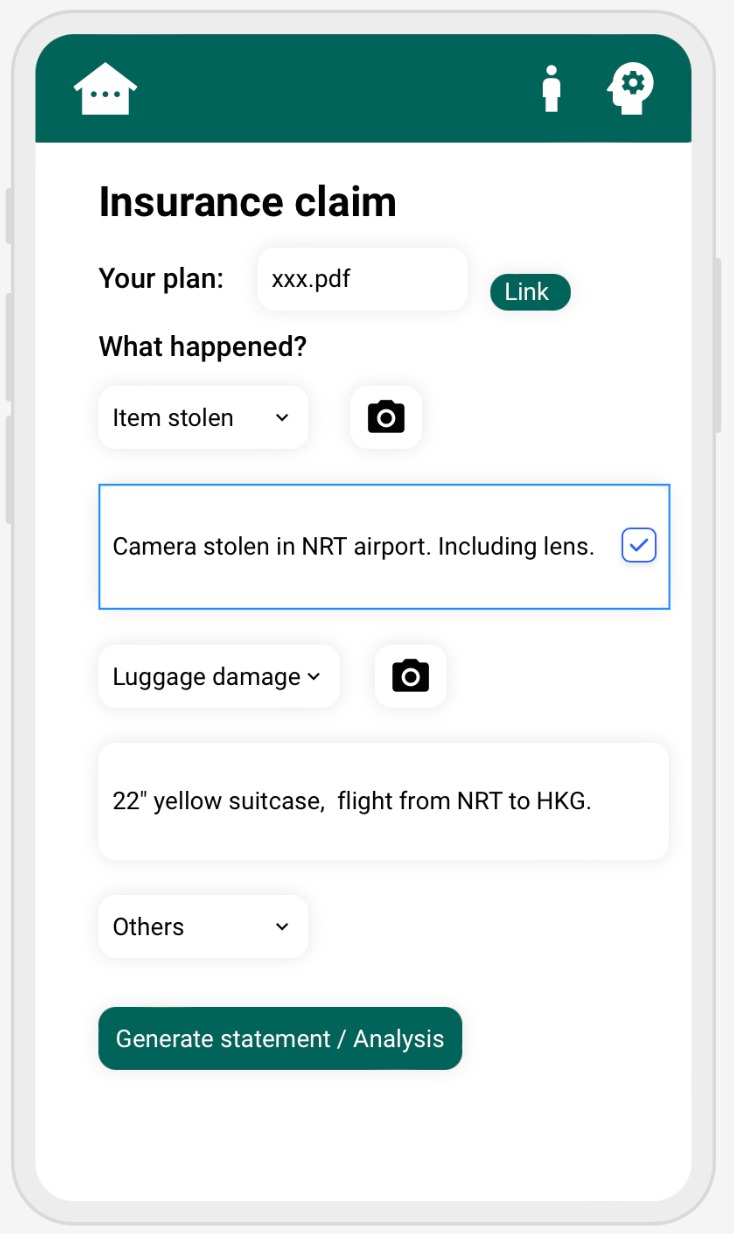
- Painful insurance claims workflows
Each problem became a feature lane so the solution read like a traveler’s path.
V Designing Safety Bubble#
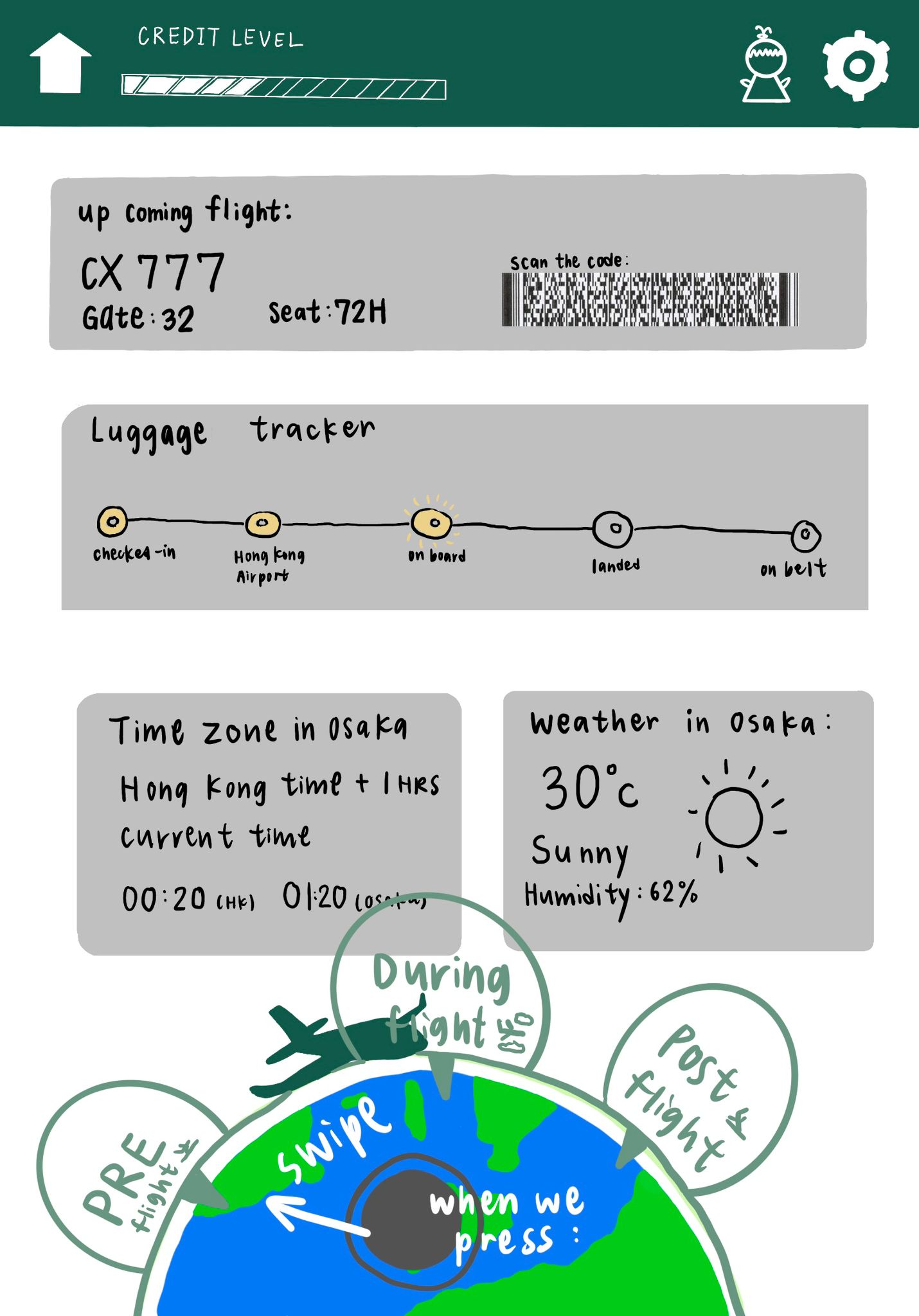
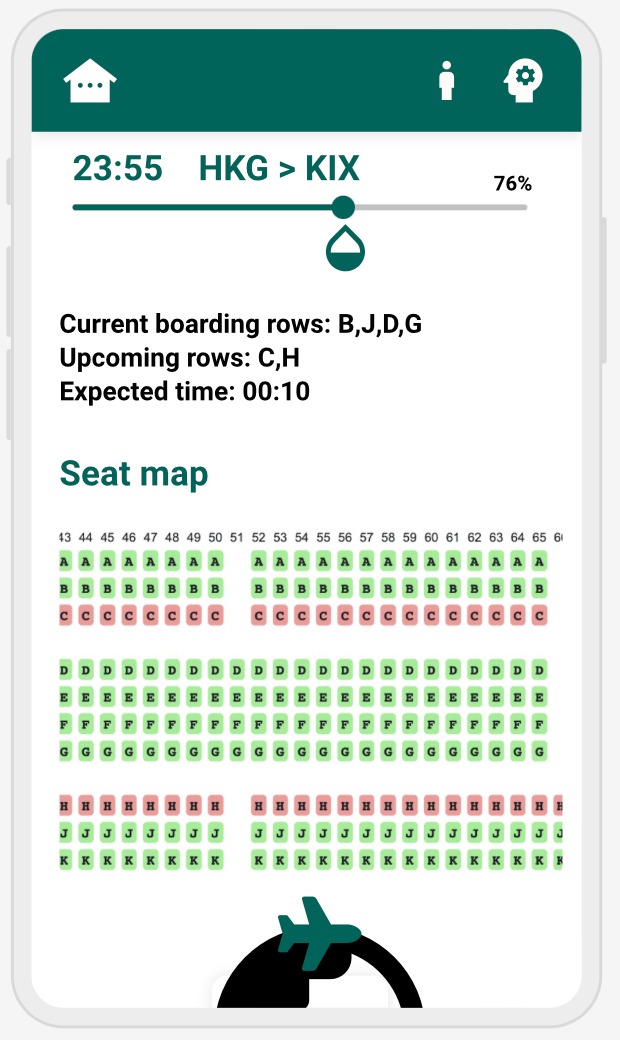
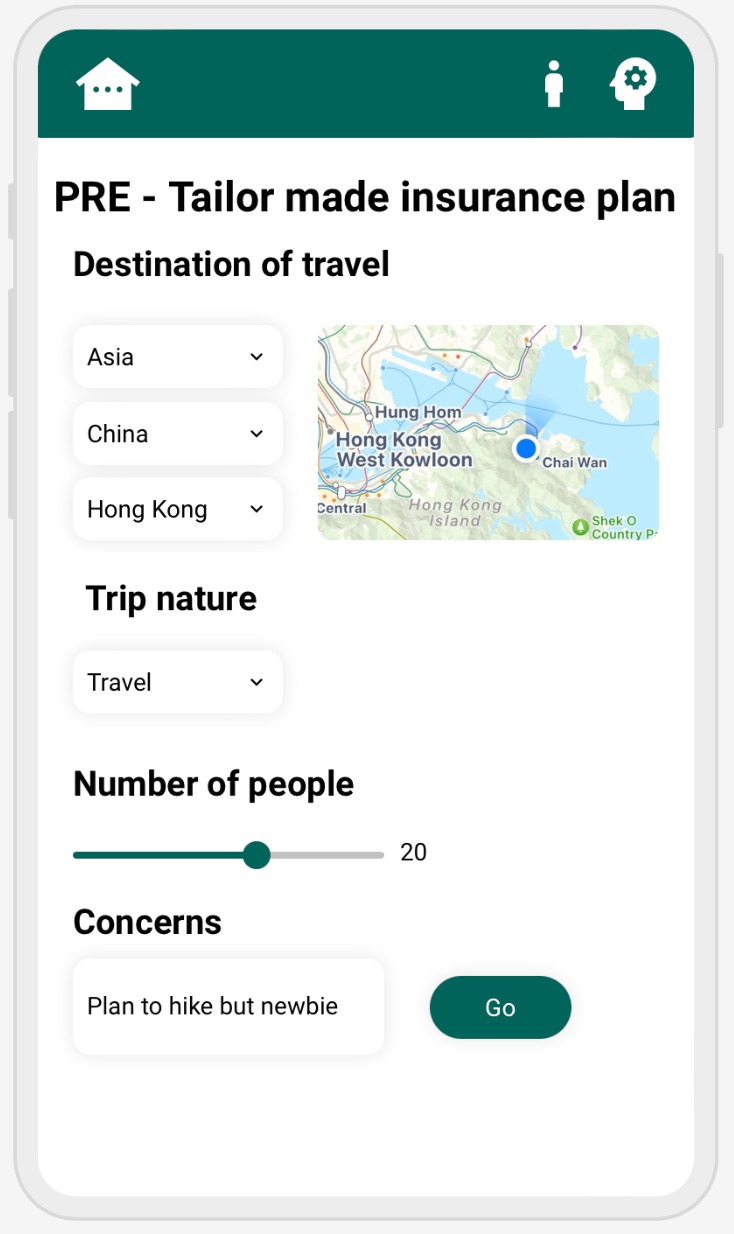
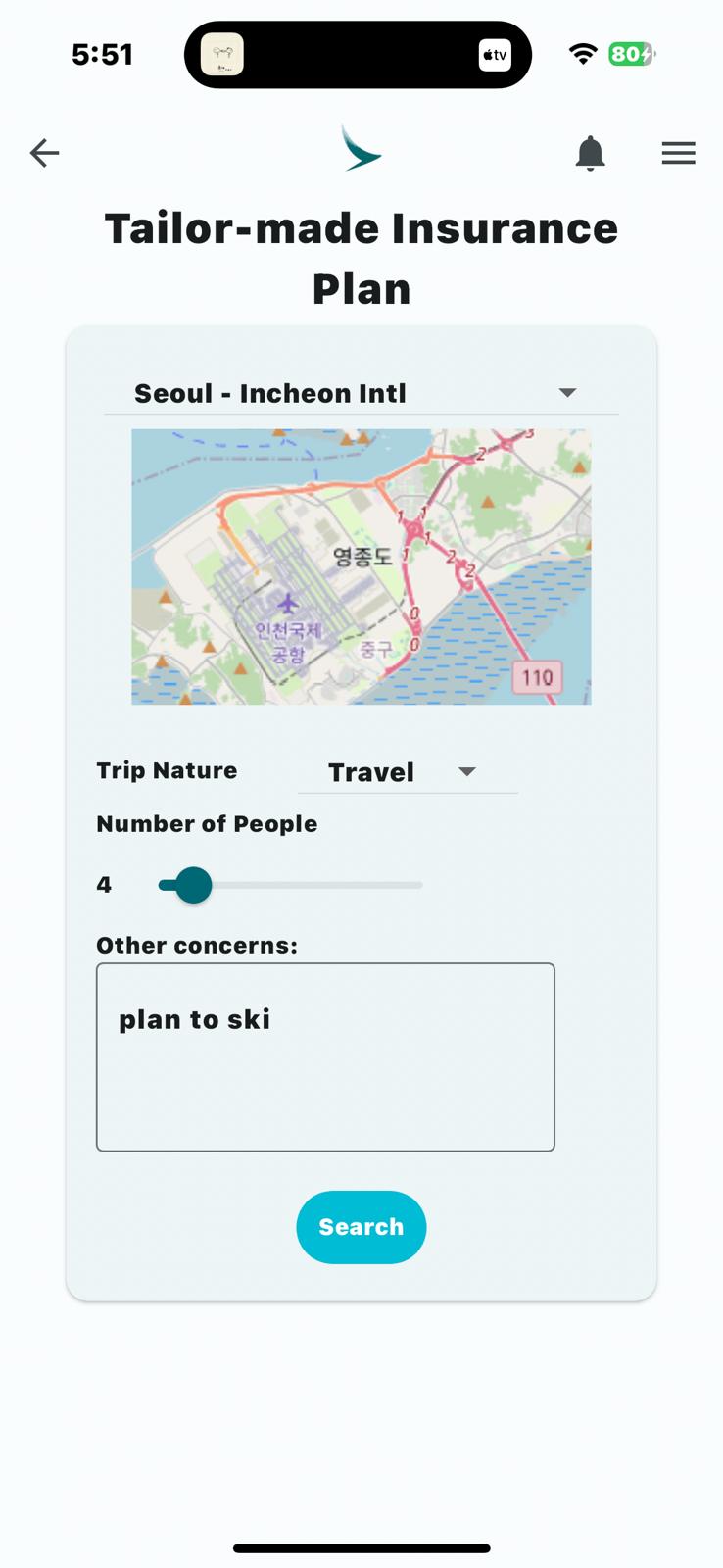
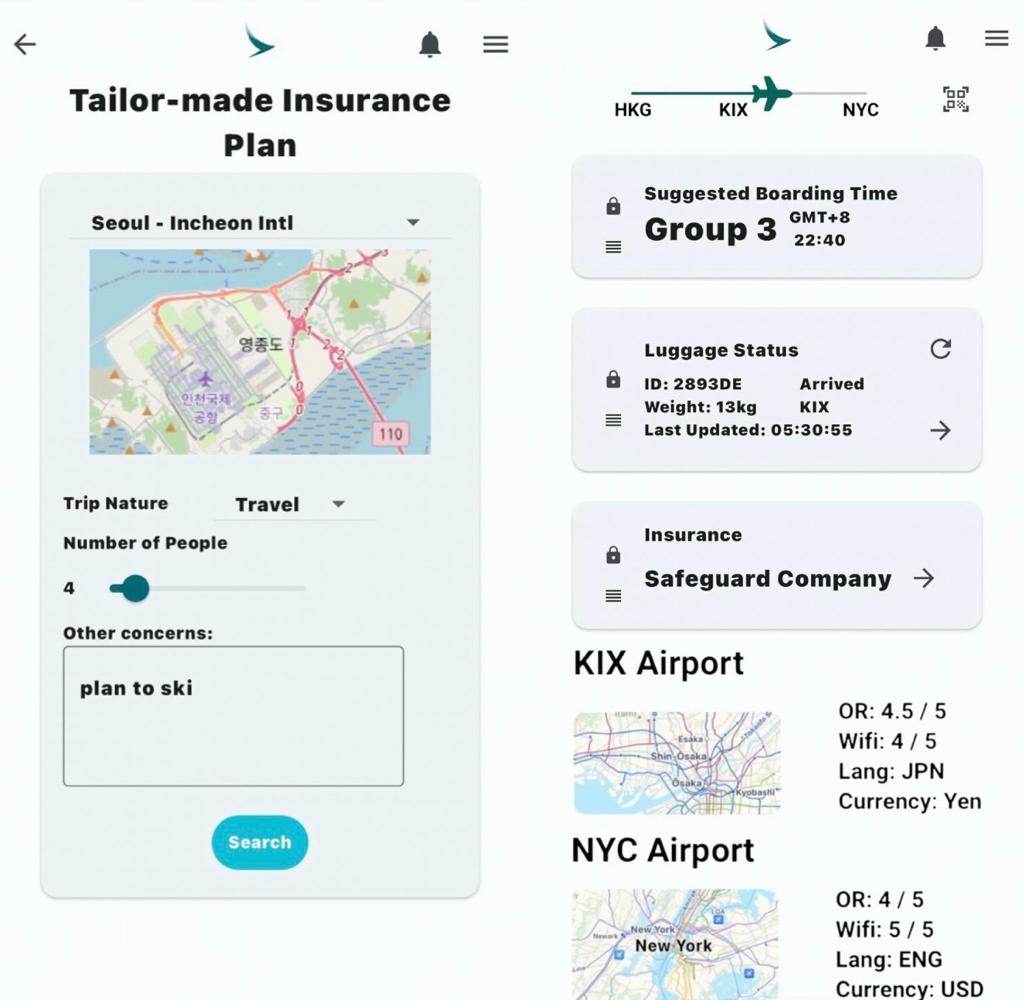
- Pre‑flight: AI recommends seat choices, bundles, and
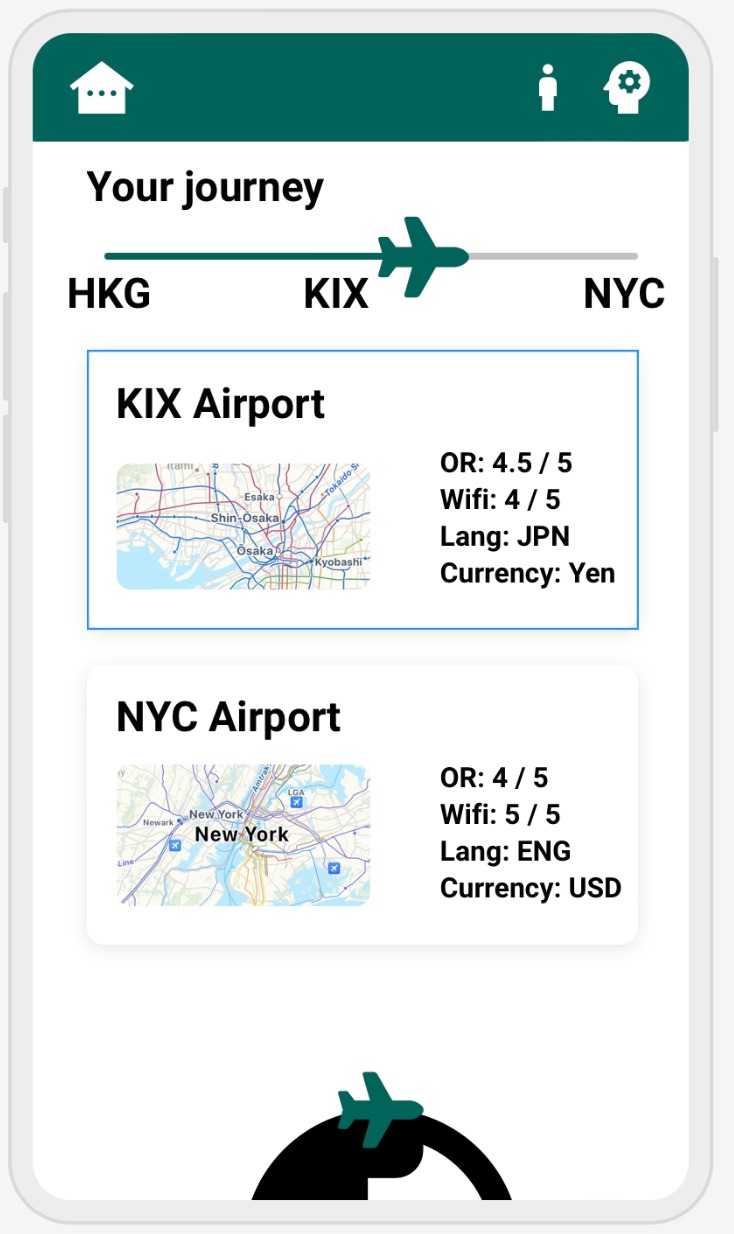
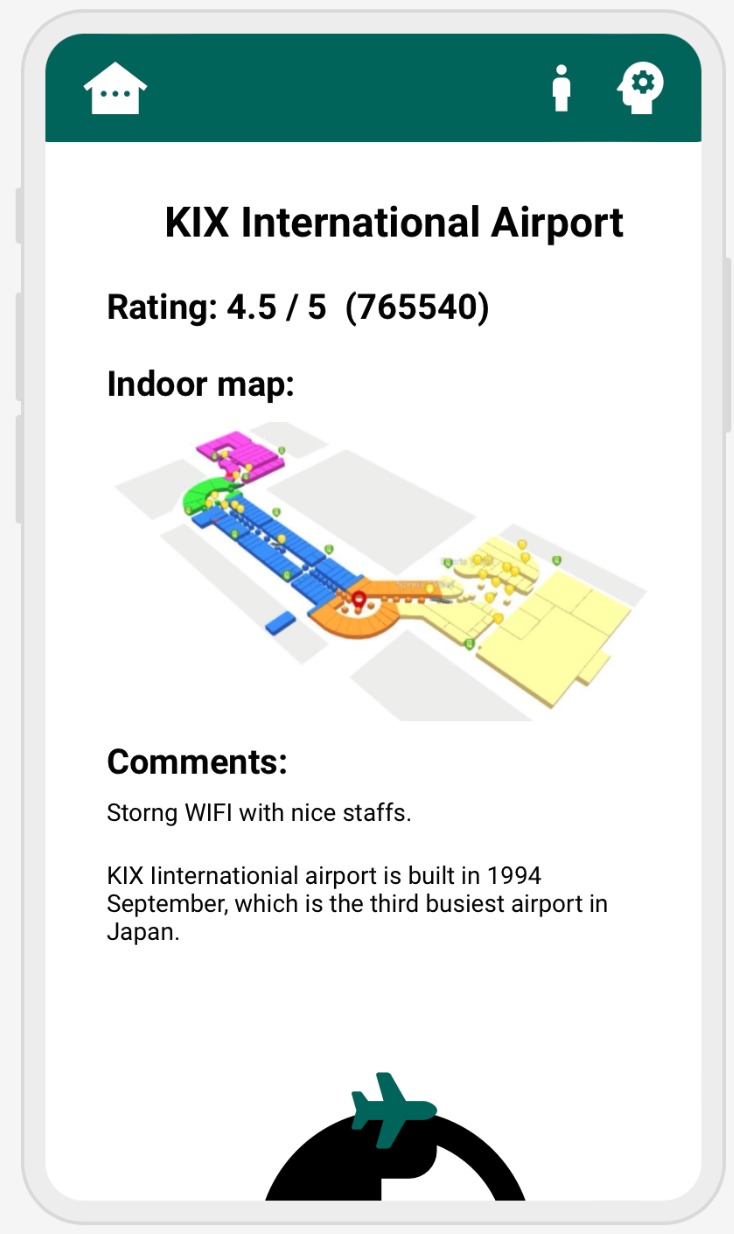
tailor‑made insurancebased on customer history and trip risk while surfacing airport facilities and services to help travelers prepare. The app nudges earlier gate arrival with credits to support better OTP and smoother boarding. - In flight: Safety quizzes turn brief moments into
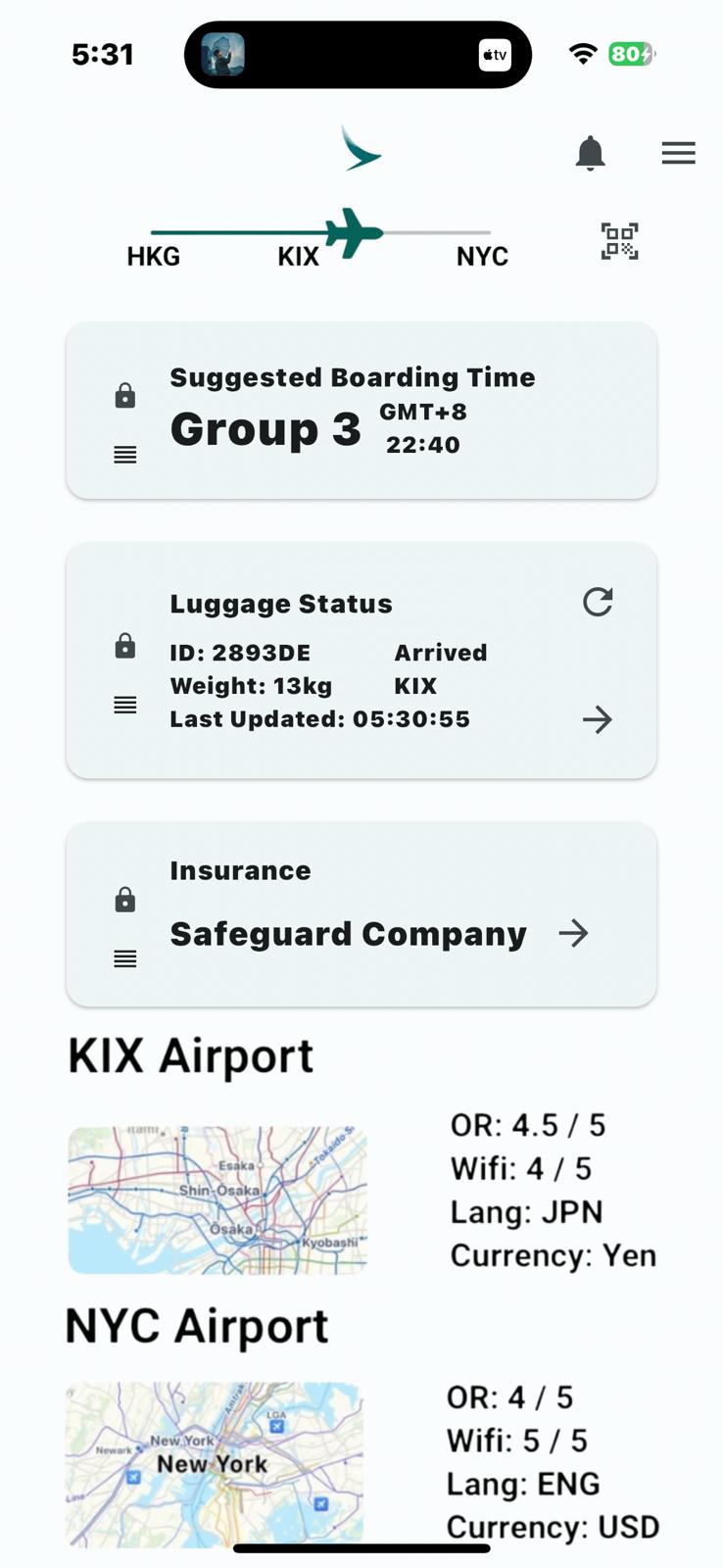
gamified learning, rewarding awareness while keeping the cabin calmer through a light‑touch reporting flow that’s validated before any penalties apply. - Post flight: Baggage
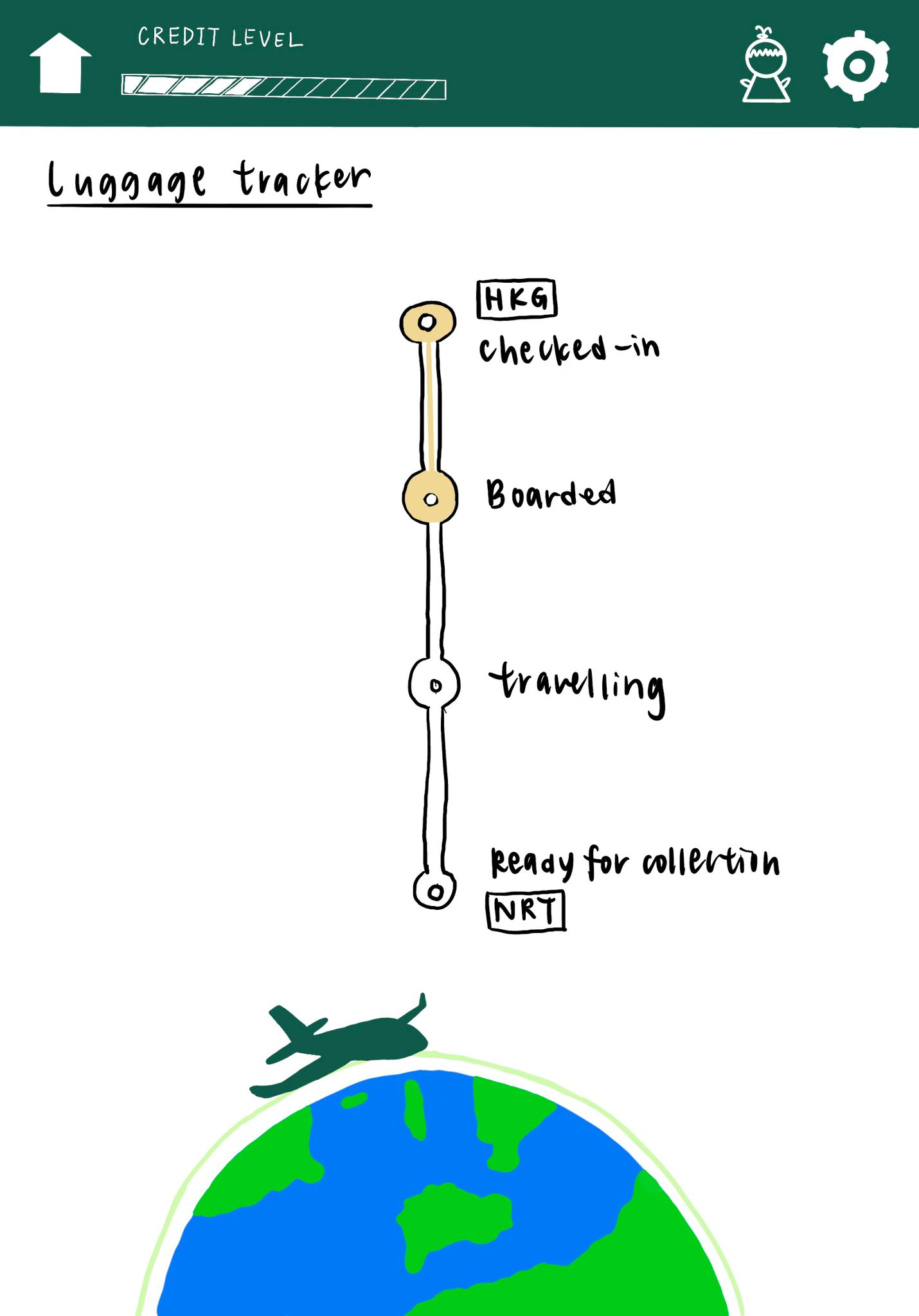
“last‑seen” tracking, carousel guidance, and voluntary tag scanning reduce idle time and help ground ops spot exceptions faster, again tied back to credits.
VI Credit system as a flywheel#
A simple, two‑year rolling record assigns and deducts points per flight, turning good behavior into tangible rewards like bundle discounts, lounge access, extra baggage, and enhanced mileage earn. Color‑coded tiers make standing visible at a glance, encouraging a community norm without heavy enforcement, and creating loyalty benefits for airlines and partners.
VII Business impact#
The model stacks immediate incentives with longer‑term value: increased customer loyalty, reduced admin load, improved OTP, and new revenue streams via insurance partnerships and potential airline alliances. Even a conservative partner‑share assumption showed meaningful daily upside, giving stakeholders a clear “why now” alongside “why us”.
VIII Building the prototype#
We shipped a Flutter UI with a component‑based layout and a built‑in airport mapping flow, connected to an API and database hosted on AWS EC2 and AWS RDS for integrity, scale, and reliability. On the frontend, the focus was UX clarity and multimedia to guide choices; on the backend, SQL‑driven queries and cloud hosting ensured the data layer could grow with usage.
IX What it took to get there#
- Product sense: translating five scattered pain points into one narrative customers could follow from booking to baggage claim.
- Data thinking: using history, context, and trip profiles to tailor insurance, seat selection, and airport prep in ways that feel helpful, not intrusive.
- Systems design: mapping a credits engine that’s fair, transparent, and resistant to abuse, including validation steps for reports and time‑bound records.
- Prototype development: rapid Flutter prototyping, UI/UX, User journey design, map utilities that provide a proof-of-concept (POC) for our business model.
- Storytelling: framing “Cathy’s” solo trip to make benefits concrete and measurable, which resonated with judges and users alike.
X Lessons and takeaways#
Context first: rapidly align to the company’s goals, constraints, and service model to map the end‑to‑end customer journey with precision.Problem clarity: surface concrete pain points and match them with current business functions and capabilities to shape practical, high‑impact solutions.Execution discipline: marshal available resources, time‑box work, and focus delivery around a crisp narrative that resonates with decision‑makers.Team craft: practice collaborative leadership—clear roles, constructive feedback, and shared ownership—to move fast without breaking trust.Joy in complexity: celebrate the moments when a tough, messy problem becomes simple together—those breakthroughs fuel momentum and morale.
XI The moment#
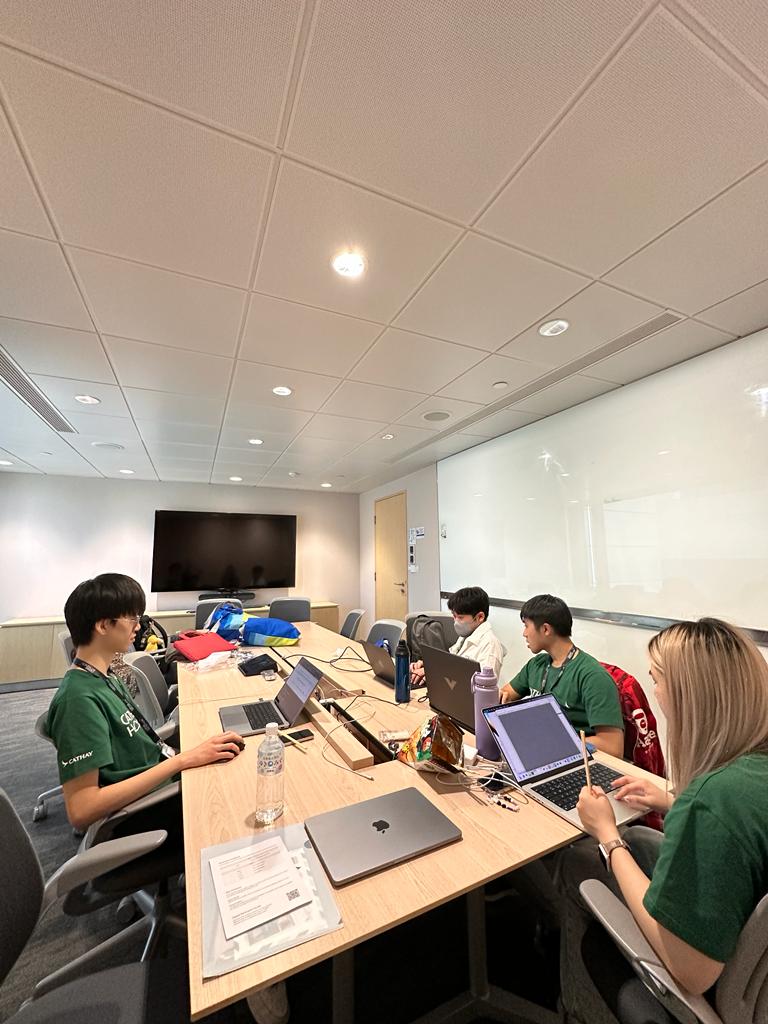
Closing out with Safety Bubble, the best parts weren’t just on stage—they were the overnight grind in one room, tossing around wild ideas, shaping them into a crisp solution for the judges, and tweaking our approach as new angles clicked at 3 a.m.. We played within the rules to craft smarter narratives, absorbed feedback fast, iterated tighter, and felt that spark when a fresh idea landed—strengthening our friendship no matter the outcome.