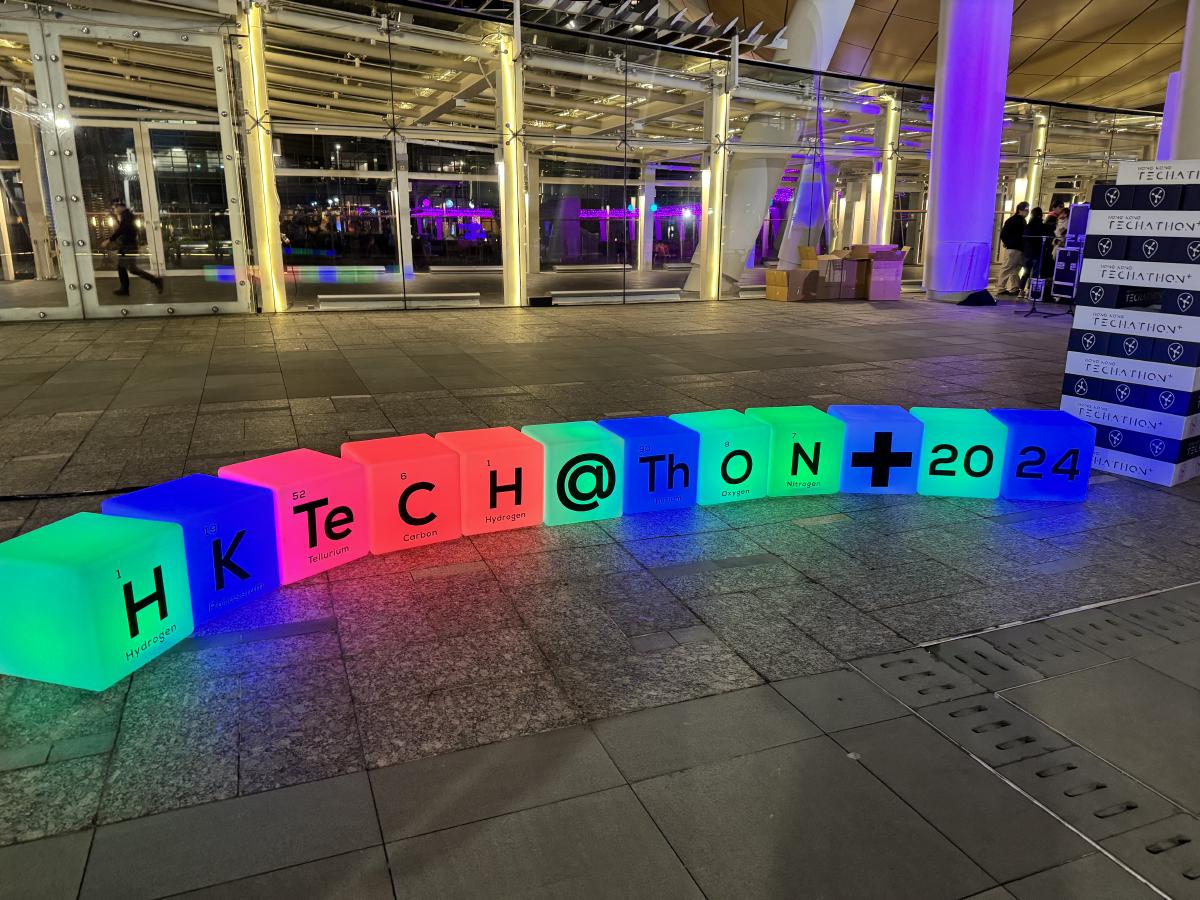

I The Cultural night#
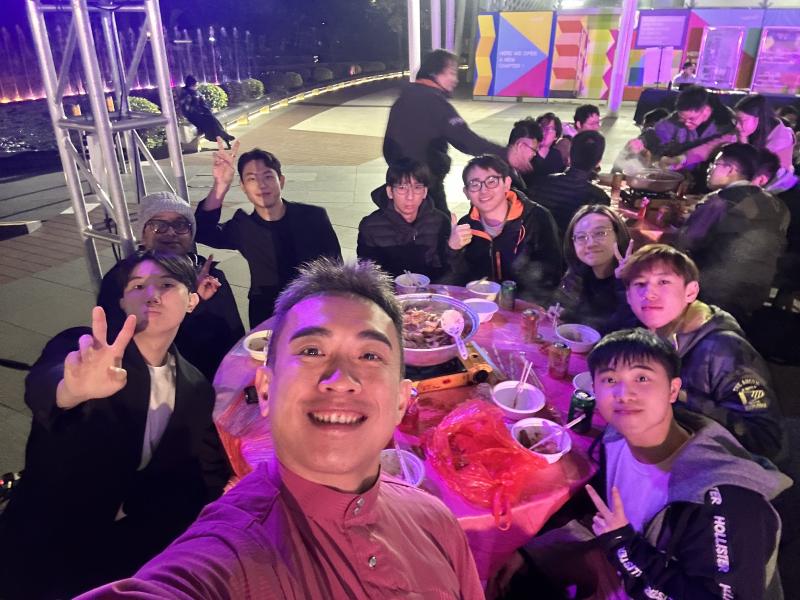
The Techathon journey began long before any line of code was written, at the cultural night in Hong Kong Science Park, where teams from around the world gathered under the same roof. Walking into the venue, welcomed by lion dances, local singers and long Poon Choi tables, it felt less like a competition and more like a celebration of ideas and cultures coming together. Sharing food and stories with students from different universities, including a team from HKUST, opened up early conversations about the challenges we were all facing and the problems we hoped to solve. That first night set the tone for the entire experience: open, collaborative, and fuelled by curiosity and respect across disciplines and backgrounds.
II Our journey#
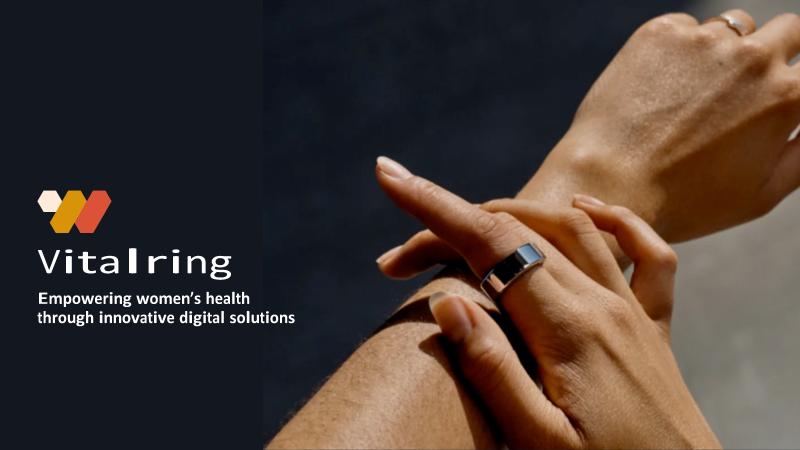
Our team’s idea – VitalRing, a FemTech smart ring for non‑invasive female hormone monitoring – started from a simple but powerful idealogy raised by a friend with a biomedical engineering background: what if sweat could be used to track hormone‑related health issues in a continuous, painless way? Building on research and guidance from professors, the concept evolved into a vision of empowering women’s health through a wearable aptamer nano‑biosensor ring that measures estradiol via sweat, alongside body temperature, and sends the data to a mobile app for analysis and health insights. As we studied the landscape of women’s digital health, it became clear how a tool that can forecast cycles, monitor symptoms and support early disease detection could fill a genuine gap in the market.
III The process#
The process of turning that vision into a viable product and business was both exciting and exhausting. On one side, there was the thrill of mapping out a complete user journey: from unboxing the ring, to pairing it with the app, to viewing estradiol and temperature records, logging symptoms, receiving personalized health diagnoses, and visualizing overall wellbeing through intuitive interfaces like the “flower” condition indicator. On the other side, there was pressure from fierce competition, questions about product uniqueness, and constant concerns about feasibility. Each time a new insight emerged – such as the advantage of continuous, non‑invasive hormone monitoring compared to temperature‑only competitors – the product felt more tangible and differentiated. Yet, every step forward also revealed just how high the bar was in terms of reliability, usability and attractiveness relative to established devices.
Through iterative discussions, our team gradually sharpened VitalRing’s strengths. The technology’s foundation in sweat‑based estradiol sensing and aptamer biosensors set it apart from general wellness rings that mainly track temperature or activity. From there, the work shifted to refining application features that truly matter to users: clear data visualization, cycle phase indication, emotion logging with supportive messages, and intelligent alerts, providing actionable guidance on fertility, mood and long‑term health risks. At the same time, the business side had to be grounded in reality – understanding market size in the FemTech and women’s digital health space, defining target groups and planning stages of product development.
IV My role#
Within the team, roles naturally formed around each person’s expertise, and that division of work became a lesson in itself. Coming from a computing rather than biology background, the focus was on UI development, market research and business modelling. The first task was to systematically analyze competing ring‑like healthcare products, comparing their functions, features, extensibility, app experience, and hardware capabilities. This benchmark exercise clarified where VitalRing could stand out: non‑invasive hormone tracking, women‑specific health insights, and a user‑friendly app tailored to female wellbeing rather than general fitness. In parallel, the business model and market positioning were shaped around these differentiators, informed by data on women’s digital health adoption, FemTech device markets, and regional opportunities in Asia‑Pacific.
Personally, this journey stretched far beyond comfort zones. Working closely with teammates who specialized in biomedical engineering, hardware and finance brought daily exposure to unfamiliar concepts. Learning to ask the right questions, translate field-specifc needs into software requirements, and align technical possibilities with market needs became a continuous cycle. It also highlighted how thoughtful delegation boosts efficiency: letting each member lead in their domain, while maintaining enough cross‑understanding to make integrated decisions together.
V Takeaway#
The biggest takeaway from Techathon was not just a polished pitch deck or a well‑defined product roadmap, but a deeper appreciation of interdisciplinary collaboration and long‑term thinking. Building VitalRing required planning beyond the competition timeframe: envisioning MVP development, beta testing, clinical validation, fundraising, and eventual geographic expansion. It reinforced the importance of starting early, communicating clearly, and treating diversity in academic background as a core strength rather than a hurdle. Most importantly, it showed how technology, when grounded in real human needs and supported by a complementary team, can create concrete, impactful solution with the potential to change how women understand and manage their health.